
A Day Trip to Kyoto from Namba, Osaka: Tips and Etiquette for a Comfortable Experience
(c)Kyoto Media Support Center
With a history spanning over a thousand years, Kyoto continues to captivate travelers from around the world. However, as its popularity has skyrocketed, issues such as overcrowding (overtourism) and difficulty booking hotels have become topics of discussion.
Therefore, this article introduces how to comfortably enjoy a day trip to Kyoto using &Here OSAKA NAMBA as your base. It covers everything you need to know: “When to go,” “How to get there,” “What to bring,” and “How to behave once you’re there.” By using Osaka’s Namba as your base, you can smartly navigate the crowds in Kyoto. Let’s take a look, step by step.
The Current Situation in Kyoto and the Option of a Day Trip from &Here OSAKA NAMBA
In Kyoto, classic spots like Kiyomizu-dera Temple, Fushimi Inari Taisha Shrine, and Kinkaku-ji Temple remain extremely popular and are bustling with domestic and international travelers year-round. Due to this popularity, overtourism has become a serious issue in recent years, and concerns about its impact on local residents’ lives and the behavior of some travelers have increasingly made headlines. Furthermore, hotels in Kyoto City are becoming harder to book, and prices are trending upward.
Against this backdrop, it’s worth considering the option of enjoying Kyoto on a day trip from Osaka. &Here OSAKA NAMBA is located in the Namba area of Osaka, just a short walk from Nankai Namba Station. From Namba, you can head to Osaka Station and take the JR Shin-Rapid train to Kyoto Station, or take the subway to Yodoyabashi and transfer to the Keihan Railway for easy access to Gion and Kiyomizu-dera. You can fully enjoy Kyoto without even staying overnight. This article provides a comprehensive guide covering everything from choosing the best times of day and transportation options to what to wear, payment preparations, and etiquette.
Choosing the Best Times of Day to Avoid Crowds and Enjoy Your Trip Comfortably
株式会社グラフィック
Crowd levels at popular Kyoto attractions vary significantly depending on the time of day. By avoiding the daytime and making good use of early mornings and evenings, you can enjoy a relatively quiet experience even at the most popular spots.
Aim for early morning visits to Fushimi Inari Taisha and Kiyomizu-dera
Fushimi Inari Taisha is open 24 hours a day, and there is no admission fee. If you want to experience the magical atmosphere of the famous Senbon Torii (Thousand Torii Gates), the best time is from just before sunrise until around 7:00 a.m. During the day, there are many tourists, making it difficult to take photos, but in the early morning, the crowds are sparse, and you can fully appreciate the solemn atmosphere. Kiyomizu-dera Temple usually opens at 6:00 a.m. There are few people immediately after opening, and the cityscape viewed from the main hall’s platform is beautifully captured in the soft morning light. Kinkaku-ji Temple opens at 9:00 a.m., so it’s not ideal for early morning visits, but it’s relatively quiet from 9:00 to 9:30 a.m., right after opening.
If you’re departing early in the morning from &Here OSAKA NAMBA, head from Namba to Osaka Station and take a JR Shin-Rapid train that’s close to the first departure of the day; you’ll arrive at Kyoto Station between 6:00 a.m. and 7:00 a.m. If you leave your hotel around 5:00 a.m., you’ll arrive in time to visit Kiyomizu-dera and Fushimi Inari when they’re less crowded. Visiting early in the morning reduces contact with others and is also considerate toward locals and fellow visitors. It’s the easiest way to experience the tranquility of Kyoto.
Furthermore, even at temples and shrines that do not charge an admission fee, it is considered good etiquette to make a donation if you have the opportunity. The amount is entirely up to you, but this subtle gesture of consideration is a smart way to show respect for Japan.
Make Smart Use of Special Nighttime Openings and Illuminations
In Kyoto, temples and shrines hold special nighttime openings and illuminations, particularly during the spring cherry blossom and fall foliage seasons. This is an effective way to avoid the daytime crowds by visiting at night. Well-known examples include the special night viewings at Kiyomizu-dera and the autumn foliage illuminations at Kodaiji, Chion-in, Eikando, and Toji. However, since the dates and admission fees vary from year to year, be sure to check the latest information on each temple or shrine’s official website before visiting.
It gets chilly at night, so be sure to bring a jacket. Since many shops in Kyoto close early in the evening, be sure to factor dinner time into your plans. If you use &Here OSAKA NAMBA as your base, you’ll have the peace of mind of being able to return to Osaka on the Shin-Kaisoku express train even late at night, allowing you to fully enjoy evening events without having to stay overnight in Kyoto.
Tips for Getting Around Kyoto City Comfortably
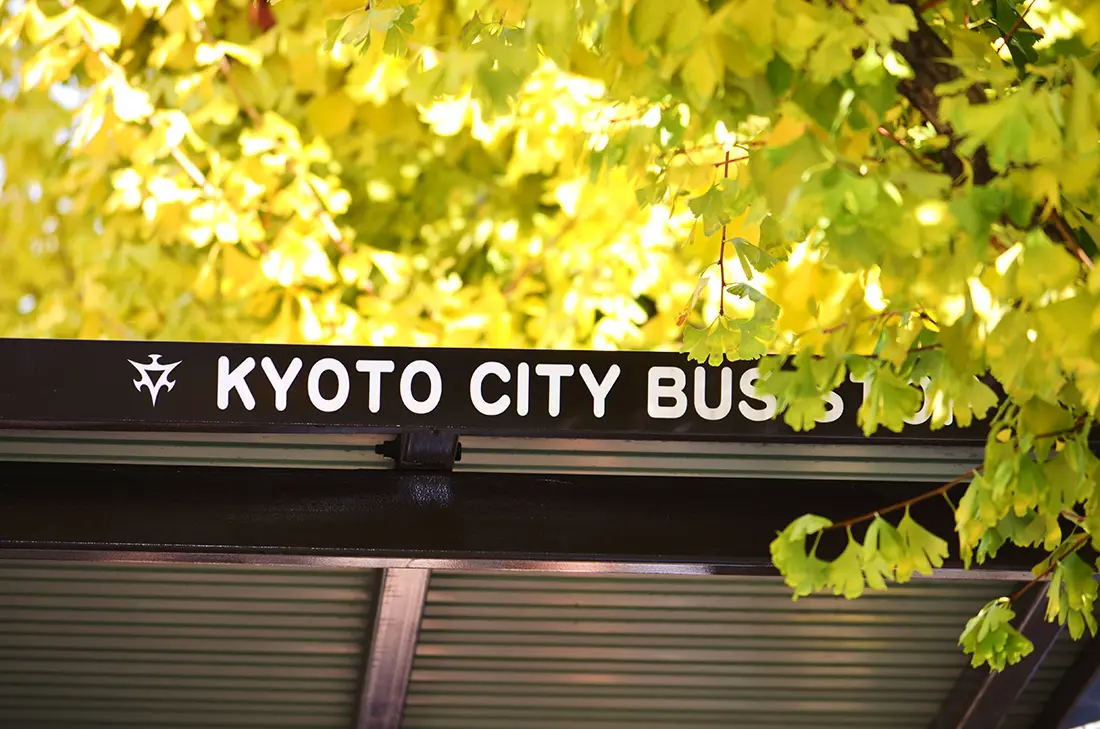
Since Kyoto’s city buses are used by both tourists and locals, they get so crowded during peak seasons that it’s hard to even move. Understanding the characteristics of buses, trains, walking, and bicycles—and using them appropriately—is the key to a comfortable visit to Kyoto.
Plan Your Itinerary Around Trains and Walking, Avoiding Buses
Kyoto City buses experience severe crowding during the fall foliage and cherry blossom seasons, school field trip periods, and on weekends, which even affects the daily lives of local residents. When sightseeing, the trick to a comfortable experience is to choose modes of transportation other than buses whenever possible. Many attractions are accessible by train: the Kyoto Municipal Subway (Karasuma and Tozai Lines) connects the city north-south and east-west; the JR Nara Line leads to Tofukuji Temple and Fushimi Inari; the Keihan Main Line goes to Kiyomizu-Gojo and Gion-Shijo; and the Hankyu Kyoto Line heads toward Arashiyama. Trains are also less prone to delays caused by overcrowding.
We recommend walking whenever possible. For example, it takes about 20 minutes on foot from Gion-Shijo to Kiyomizu-dera, and you can enjoy strolling along charming streets like Yasaka Shrine, Ninenzaka, and Sannenzaka. If you must take a bus, be sure to use a one-day pass and avoid peak hours when the buses are most crowded.
Take Advantage of Bike Rentals While Following the Revised 2026 Bicycle Rules
Kyoto City is mostly flat, and there are many places where getting around by bicycle is efficient. Bicycle rental shops are scattered around Kyoto Station, Gion, Arashiyama, and other areas, and an increasing number of them offer English-language support. However, there are areas where you’ll need to walk while pushing your bicycle, such as the sidewalks along Shijo Street, the area around Togetsukyo Bridge in Arashiyama, and the slopes near Kiyomizu-dera Temple. Be sure to check the Kyoto City official website for bicycle-restricted areas before heading out.
Bicycle regulations have also changed significantly in recent years. The November 2024 amendment to the Road Traffic Act introduced penalties for “using a smartphone while cycling” and “cycling under the influence of alcohol.” Furthermore, starting in April 2026, a “blue ticket” system—where cyclists pay fines for violations—has been implemented. Since this system covers a wide range of violations, such as running red lights and failing to stop at stop signs, it’s important to know the basic rules.
- As a general rule, bicycles must ride on the left side of the roadway.
- Riding on sidewalks is permitted only in exceptional cases, and pedestrians have the right of way.
- Always obey traffic signals, and turn on your lights at night.
- Wearing a helmet is a “best-effort obligation” (you are encouraged to wear one whenever possible).
Since rules are subject to change, it’s a good idea to check the latest information on the official websites of the National Police Agency or the Kyoto Prefectural Police before riding your bicycle.
Bicycle Information for Foreigners: https://www.pref.kyoto.jp/fukei/kotu/koki_k_t/jitensha/gaikokujin.html
Travel Light and Enjoy Sightseeing Without Bulky Luggage
Sightseeing in Kyoto while carrying a large suitcase can be a significant burden on crowded trains and buses, as well as in areas like the Kiyomizu-dera Temple vicinity, which has many hills. We recommend sending your suitcase to your hotel or leaving it there before departure, so you can travel to Kyoto with only the bare essentials. At &Here OSAKA NAMBA, you can use a pre-arranged suitcase delivery service to have your luggage sent directly to your hotel. You can also take advantage of delivery services available to international travelers in English, such as those that deliver luggage from Kansai International Airport or Osaka International Airport to your hotel, or Yamato Transport’s TA-Q-BIN service.
Coin lockers at Kyoto Station and major stations throughout the city tend to fill up quickly during the tourist season. It’s safer to use your hotel as a base to store your luggage and set out hands-free.
What to Pack and Payment Options for Sightseeing in Kyoto
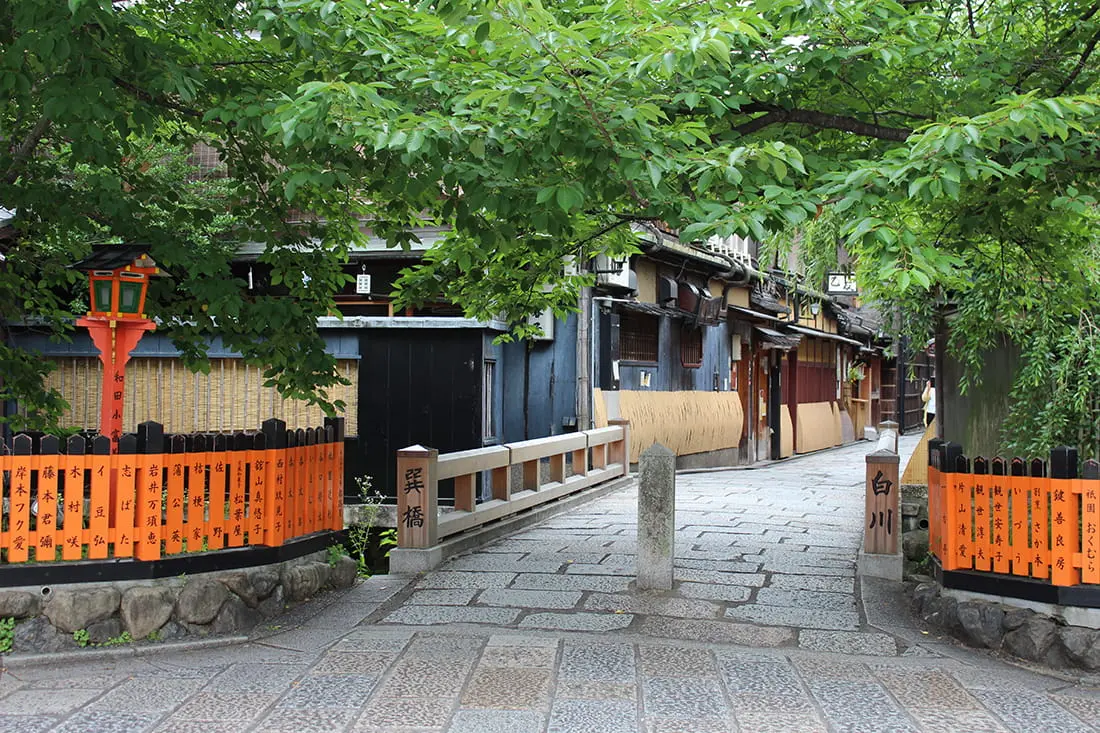
When sightseeing in Kyoto, there are many occasions where you’ll need to take your shoes on and off when visiting temples and shrines, and some small traditional shops may only accept cash. A little advance preparation can go a long way toward reducing stress once you’re there.
Choose shoes that are easy to slip on and off, and a hat that’s easy to remove
At many temples and shrines in Kyoto, you’ll need to remove your shoes when entering the main hall or study hall. Boots with tight laces or high-top shoes take time to put on and take off, so slip-ons or low-top sneakers are more convenient. Since it’s basic etiquette to remove your hat when visiting a shrine or temple, it’s best to wear one that’s easy to take off. Places like Kiyomizu-dera, Fushimi Inari, and Arashiyama have many stone steps and slopes, so be sure to choose comfortable walking shoes. It’s best to avoid heels and leather soles.
It’s also important to dress appropriately for the season. Because Kyoto is located in a basin, it has unique climatic characteristics. In summer (July–August), the average monthly temperature is around 25–27 degrees, and with high humidity, sun protection and staying hydrated are essential. When visiting temples and shrines, you should avoid overly casual attire, but you’ll want to choose your outfit while balancing respect for the occasion with your own comfort and well-being. In winter (December–February), the average temperature is around 3–6 degrees, and it can feel quite chilly. Although it doesn’t snow much, layering your clothes and bringing warm gear will make your visit more comfortable.
Since many places accept cash only, be sure to have small change on hand
At temples and shrines in Kyoto, admission fees, offerings, and the purchase of talismans are generally cash-only. Having plenty of small change—such as 100-yen and 500-yen coins—on hand will make your visit go more smoothly. Many small restaurants, traditional craft shops, and cafes housed in renovated townhouses still only accept cash. It’s important to keep this in mind as a difference from urban areas where electronic payments are widely used.
Before departing from Namba in Osaka, it’s recommended to withdraw some small change and 1,000-yen bills from an ATM at a bank or convenience store. ATMs at Seven-Eleven, FamilyMart, and Japan Post Bank allow you to withdraw cash even with cards issued overseas. Admission fees are generally between 300 and 800 yen, and while 5-yen and 10-yen coins are popular as auspicious amounts for offerings, there’s no problem with giving larger amounts either.
Basic Etiquette for International Travelers in Kyoto
Kyoto is an ancient capital with over 1,200 years of history, where people still offer prayers at numerous shrines and temples, and custodians of traditional culture—such as maiko and artisans—go about their daily lives. As a visitor to Japan, let’s review the basic etiquette for showing respect for Kyoto’s culture and people.
Obey “No Entry” Signs and Rules for No-Photography Zones
At many shrines and temples, photography is prohibited inside the main halls, treasure museums, and tea rooms. Be sure not to overlook signs that say “No Photography” or similar messages. Behaviors such as taking photos over “No Entry” ropes or fences, entering private property without permission, or photographing monks during their spiritual training have become problematic, and there are cases where photography has been completely banned at certain locations. If you’re unsure whether you can take a photo, it’s safest to ask a staff member or monk, “Is it okay to take a photo here?” While English is often understood, it’s best to ask in Japanese or in English, speaking clearly and slowly, one word at a time.
Avoid taking photos of maiko and locals without permission
The maiko and geisha you see in areas like Gion and Ponto-chō are not tourists but professionals on their way to work. Pointing a camera at them without permission, chasing after them, touching their costumes, or blocking their path to take a photo are serious breaches of etiquette. These issues are the reason why the City of Kyoto has designated “no-photography zones” in certain areas.
If you’d like to capture a maiko in a photo, one option is to participate in a “maiko transformation experience” program designed for tourists—not the real thing. This consideration isn’t limited to maiko; you should also refrain from taking close-up photos of the faces of local residents, artisans, or temple visitors without their permission. Generally, it’s acceptable to include them in a wide-angle shot as part of the cityscape, but when in doubt, it’s safest to refrain from taking the photo.
Behave with respect at religious facilities and historic buildings
Kyoto’s temples and shrines are “living religious sites” where monks and Shinto priests still perform their daily rituals. Remember that these are places of prayer before they are tourist attractions, and observe basic etiquette: remove your hat inside the main hall, walk quietly, set your smartphone to silent mode or turn it off, and refrain from eating or drinking inside the hall. Behaviors such as shouting loudly, running around, pointing at sacred objects, or damaging trees and rocks are also inappropriate.
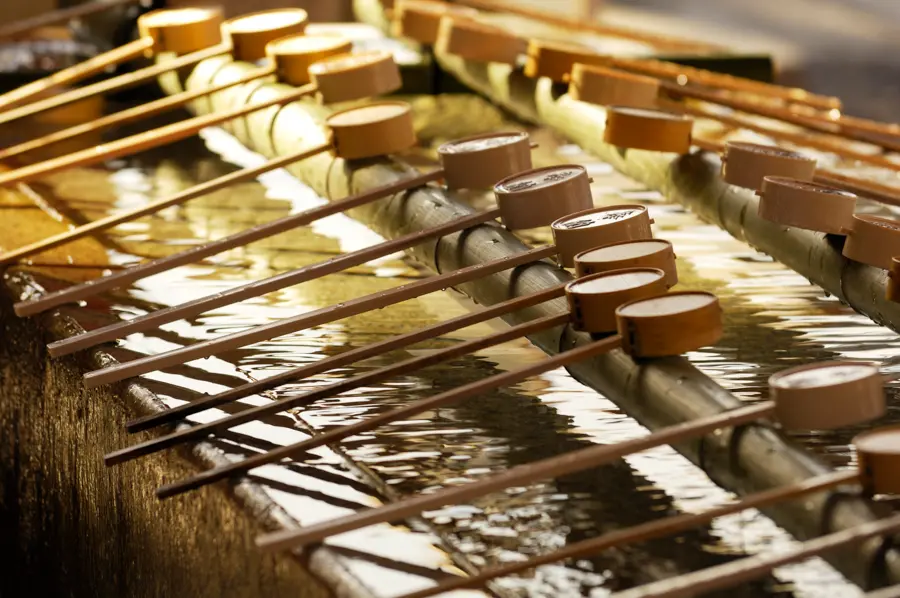
In particular, graffiti or damage to historic structures may constitute a crime in Japan under the Law for the Protection of Cultural Properties. Even an act intended as a lighthearted memento could turn into a serious offense. Since the etiquette for worship—such as bowing at the torii gate or mountain gate, the proper way to purify oneself at the chozuya, and how to offer coins—differs between Shinto and Buddhism, it is best to follow the guidance provided on signs at the temples and shrines you visit.
Walk without blocking the path and be considerate of those around you
The approach paths, alleys, and sidewalks in Kyoto are by no means wide. Walking side-by-side in a group can obstruct traffic, so—especially in the narrow alleys of the Gion, Arashiyama, and Higashiyama areas—please be considerate by walking two abreast and moving to the side when stopping to take photos. Please refrain from talking loudly or making noise late at night, as it can disturb residential areas.
As a general rule, take your trash home with you. Since there are almost no trash cans in Kyoto City, it’s helpful to bring a trash bag with you before you set out. Also, please note that eating while walking along temple approach paths may be prohibited at some temples and shrines, so be sure to check for signs.
Enjoy a combination of Osaka and Kyoto with as your base
Here, we’ll highlight the features of &Here OSAKA NAMBA and explain how they can be useful for a day trip to Kyoto.
Access from Osaka Namba to Kyoto
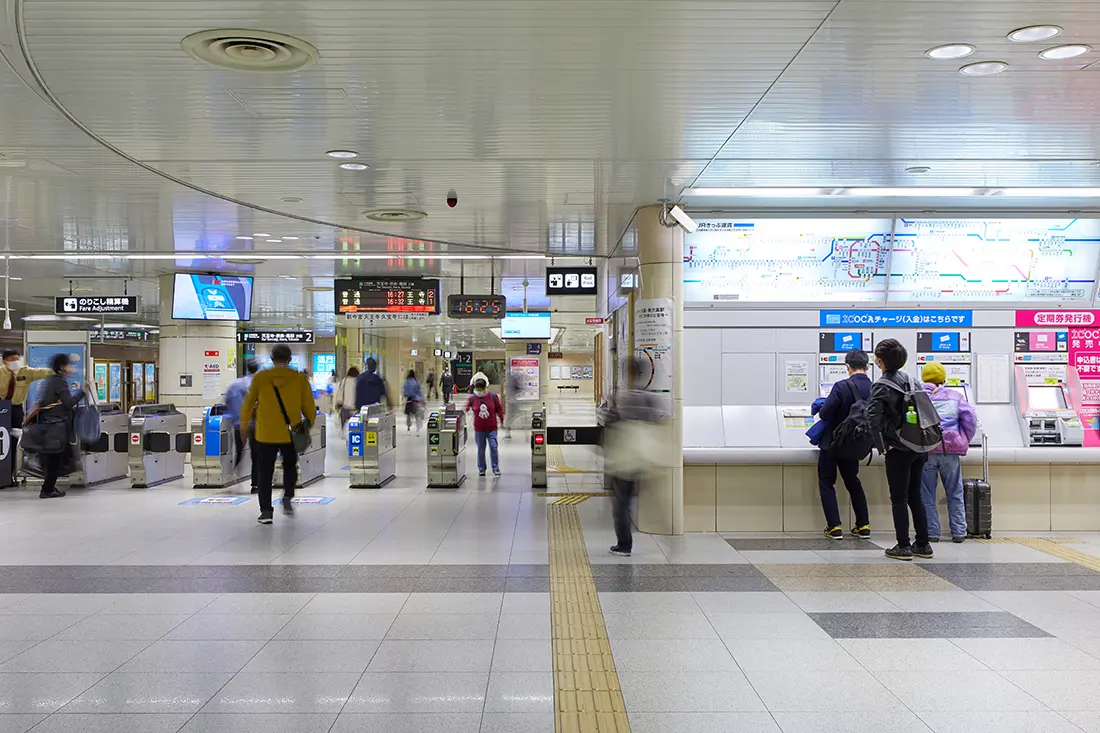
©Osaka Convention & Tourism Bureau
&Here OSAKA NAMBA is located just a short walk from Nankai Namba Station. From Namba, take the subway or other public transportation to Osaka Station (Umeda area), then transfer to the JR Shin-Rapid train; the express train takes about 30 minutes to reach Kyoto Station. You should plan on about an hour total from Namba Station. If you’re heading to Kiyomizu-dera Temple, Yasaka Shrine, or the Gion area, the most convenient route is to take the subway to Yodoyabashi and transfer to the Keihan Railway, which takes you directly to Gion-Shijo Station or Kiyomizu-Gojo Station without any transfers. If you take an early morning train, you can enjoy these popular spots before the crowds arrive.
Enjoy a comfortable day trip with suitcase delivery service and spacious guest rooms
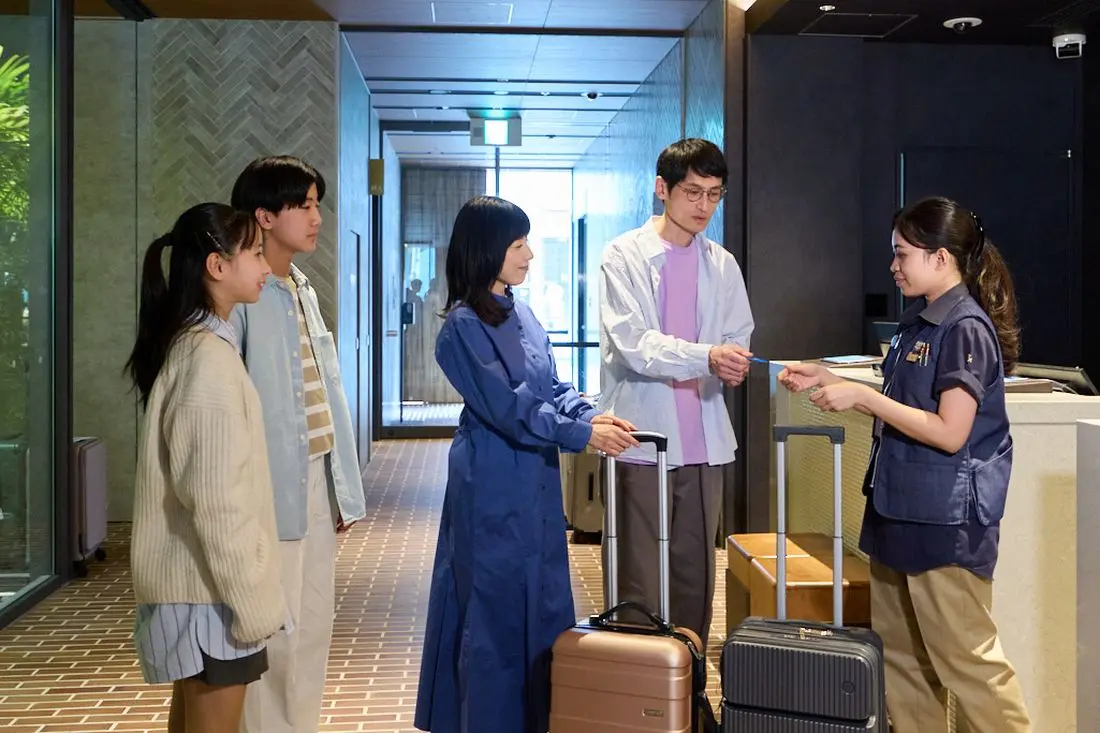
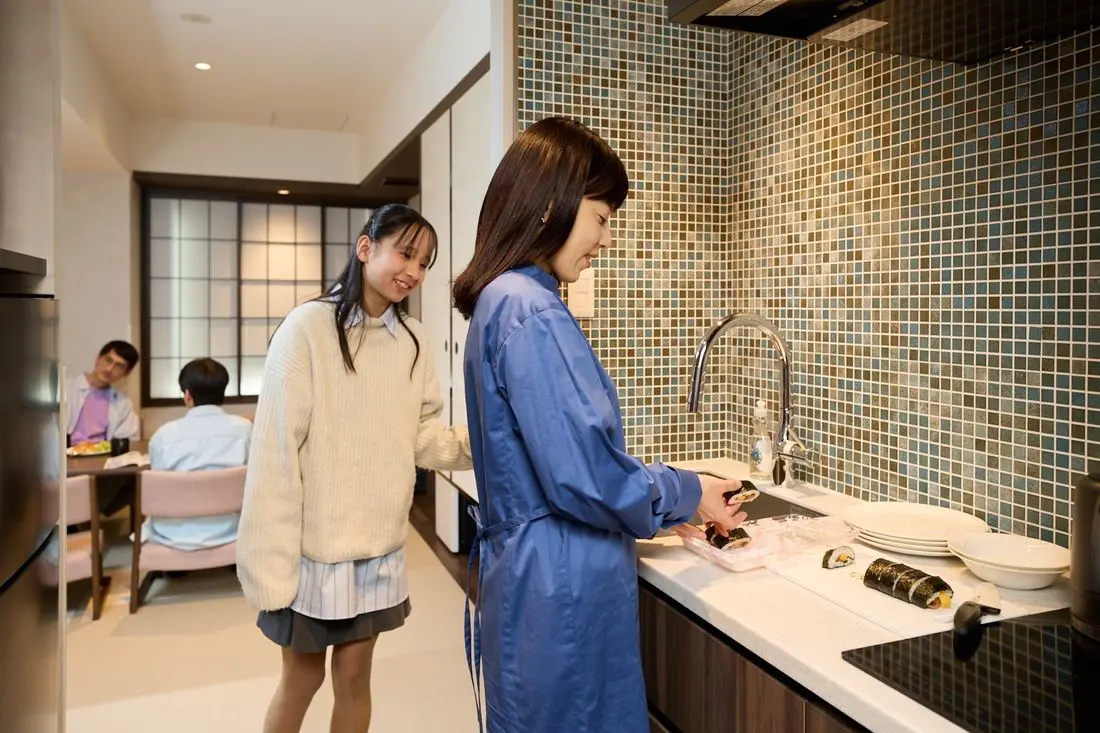
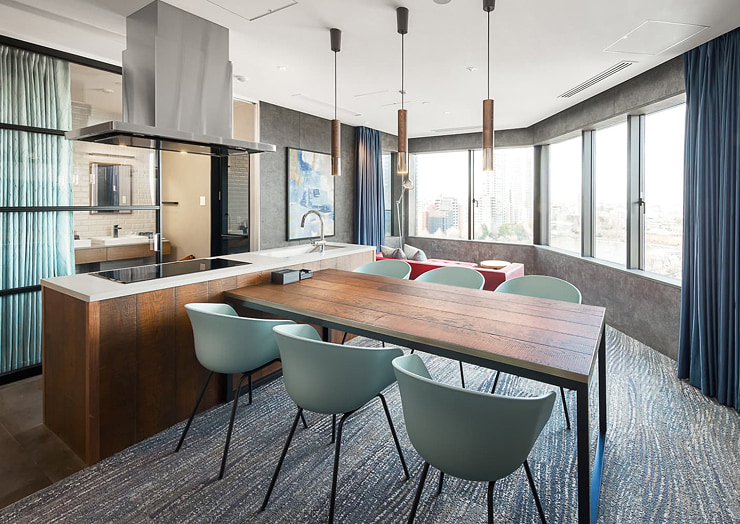
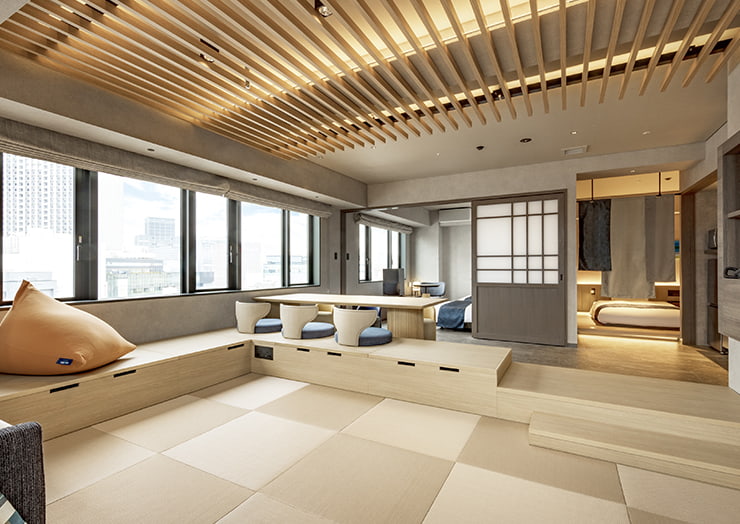
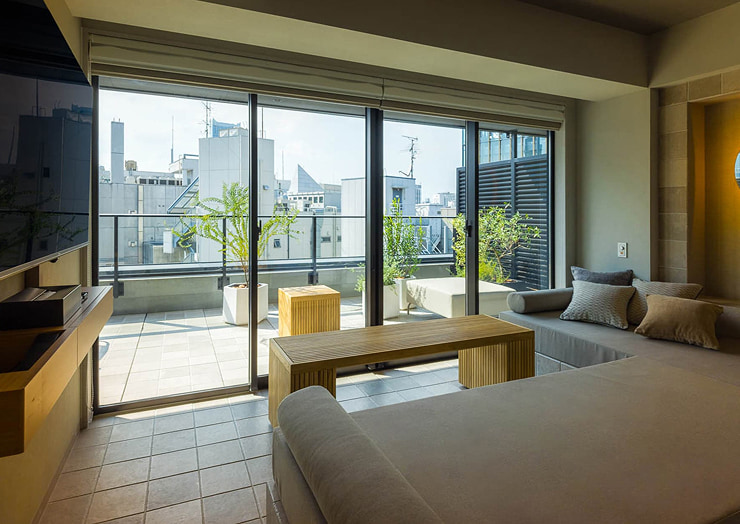
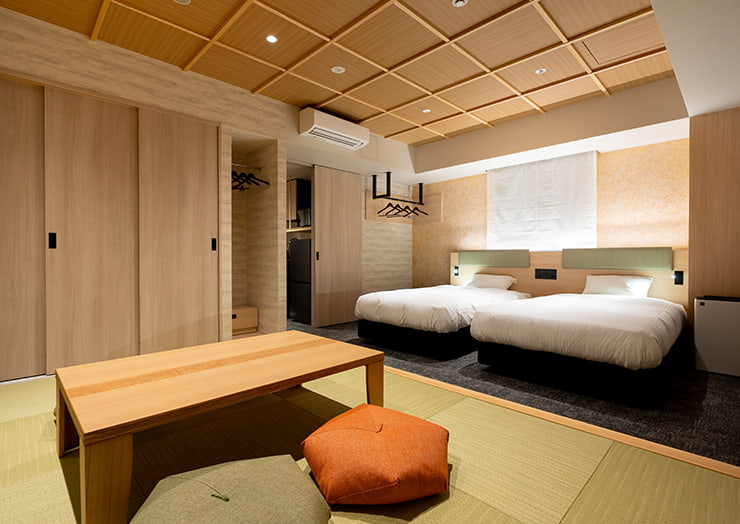
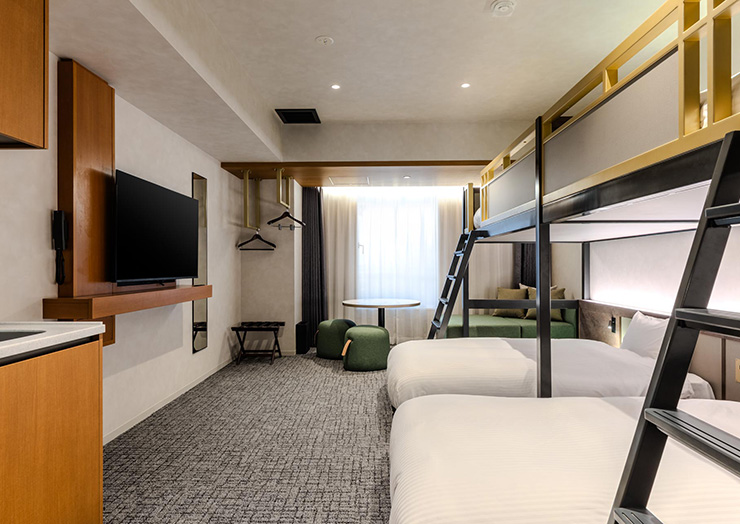
The guest rooms at &Here OSAKA NAMBA are spacious, giving you plenty of room to pack before departure or unpack upon your return. If you use the suitcase delivery service from the airport, you can travel light from the moment you arrive at the airport, and even on a day trip to Kyoto, you won’t have to lug around large luggage. The hotel has shared laundry facilities, making it easy to manage your clothes during a multi-night stay.
If you stay in a room with a mini-kitchen, you can even enjoy the souvenirs you bought in Kyoto right in your room. Even if you’re staying at a different hotel in Kyoto, &Here will store your large luggage for free when you return after staying elsewhere—a great perk that lets you travel to Kyoto light.
The Financial Benefits of Using Osaka’s Namba as a Travel Base
Staying in the historic city of Kyoto creates wonderful memories, but booking a hotel in Kyoto itself can be quite a challenge, especially if you plan to stay for multiple nights. On the other hand, using Osaka’s Namba as your base allows you to keep costs down while gaining the flexibility to take day trips to major Kansai tourist destinations such as Kyoto, Nara, Kobe, and Himeji. You gain the flexibility to take day trips to major Kansai tourist destinations such as Kyoto, Nara, Kobe, and Himeji.
The freedom to plan a multi-night itinerary that lets you enjoy the entire Kansai region—such as “one day in Kyoto, another in Nara, and yet another in Osaka”—is the greatest appeal of using &Here OSAKA NAMBA as your base. We hope you’ll experience the “special days” unique to &Here across the many cities of Kansai.
Here are some tips and etiquette for comfortably enjoying a day trip to Kyoto. Make good use of early morning and evening hours, avoid crowded buses by traveling by train and on foot, dress lightly, and have some small change on hand. Also, observe basic etiquette regarding photography, behavior at religious sites, and how you walk. Just these simple steps will make your trip to Kyoto much more comfortable.
If you choose &Here OSAKA NAMBA as your base, you can enjoy day trips to various destinations throughout the Kansai region, such as Kyoto, Nara, Kobe, and Himeji. Leave your luggage in Osaka to travel light and explore the Kansai region seamlessly.If you travel with respect for Kyoto, your time there is sure to be unforgettable. We hope you’ll spend “special days” in Kansai with &Here as your base.