
One-Day Day-Trip Itinerary from Osaka Namba to Mount Koya, Japan’s Buddhist Sacred Site
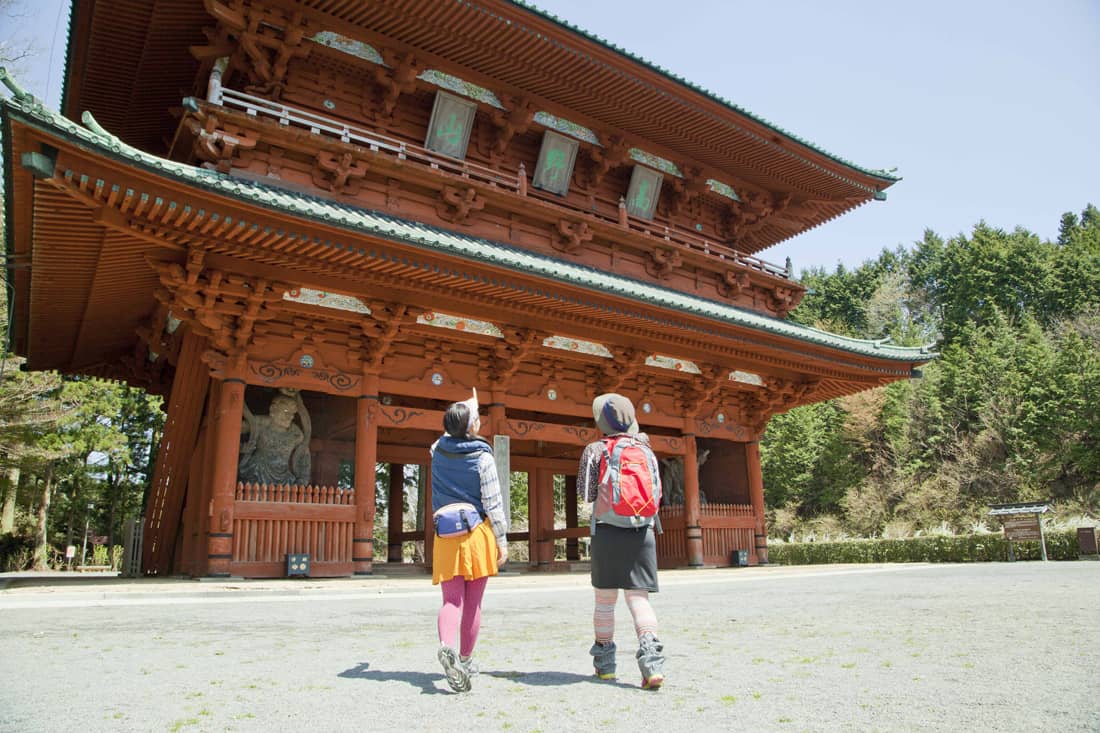
Photo Credit: Wakayama Tourism Federation
Departing from &Here OSAKA NAMBA in Osaka Namba, take the Nankai Electric Railway to the World Heritage site of Mount Koya. For more than 1,200 years, this mountain has been revered as a sacred center of Japanese Buddhism, and it can be visited as a day trip from Osaka. In the morning, leave your hotel and worship at Okunoin, enjoy shojin ryori, practice meditation or sutra copying, and tour Kongobu-ji. Return to Namba in the evening for Osaka specialties to end the day. This article guides you through a fulfilling one-day itinerary.
Japan’s Sacred Site: What Is Mount Koya?
In 816, the monk Kobo Daishi Kukai was granted the land of Mount Koya by Emperor Saga and founded a training center for Shingon esoteric Buddhism. Kukai had studied the esoteric teachings in Tang-era China and is regarded as one of the most important figures in Japanese Buddhist history. At about 850 meters above sea level and surrounded by eight peaks, this mountaintop was considered an ideal spiritual site for esoteric practice.
In 835, Kukai entered nyujo at Mount Koya—a term that does not signify death but rather the belief that “Kukai continues his eternal meditation.” At the mausoleum in Okunoin, offerings of food are presented to Kukai twice daily, at 6:00 AM and 10:30 AM. This ritual, called shōjinkū, embodies the core belief that Kukai is still living.
In 2004, Mount Koya became part of the UNESCO World Heritage listing “Sacred Sites and Pilgrimage Routes in the Kii Mountain Range.” Not only the temple buildings but also the pilgrimage routes themselves are recognized, reflecting the unique idea that “walking itself is a form of pilgrimage.”
Over 200,000 tombstones and memorial towers line the approach to Okunoin. Generals who once fought one another—such as Oda Nobunaga, Toyotomi Hideyoshi, Takeda Shingen, Uesugi Kenshin, and Ishida Mitsunari—now rest side by side along this path. Mount Koya accepts all people regardless of sect or status, embodying its spirit of inclusiveness.
Access from Osaka Namba to Koyasan
&Here OSAKA NAMBA is about a three-minute walk from Nankai Namba Station. There is only one transfer at Gokurakubashi Station, making it easy for first-time visitors to reach Mount Koya.
About Two Hours by Nankai Railway and Cable Car
From Nankai Namba Station, take the limited-express Kōya (all reserved seating) for about 1 hour 15 minutes to Gokurakubashi Station. Transfer to the cable car for a 5-minute ride up to Koyasan Station. From there, use the Nankai Rinkan Bus (the Mount Koya bus network) to reach each site. Including transfers and waiting times, plan for about two hours total from Namba Station to central Mount Koya. The cable car’s 330-meter ascent offers a uniquely thrilling mountain experience.
The “Koyasan World Heritage Ticket” Is a Great Value!
The “Koyasan World Heritage Ticket” sold by Nankai Electric Railway bundles discounted round-trip train fares with unlimited bus rides on Mount Koya. There are plans that include the limited-express surcharge, and discounts at attractions such as Kongobu-ji. You can purchase it online as a digital ticket on your smartphone and pass through the gates with a QR code. Note that the ticket’s validity begins the day after purchase, so buy it at least one day in advance. Although buses connect the main spots, service is infrequent, so check the timetable before you go.
Essential Manners and Rules Before Visiting Mount Koya
Mount Koya remains an active training ground for monks. Knowing the etiquette in advance will help you experience a deeper, undisturbed time during your visit.
Temples vs. Shrines—Mount Koya Is Almost Entirely “Temples”!
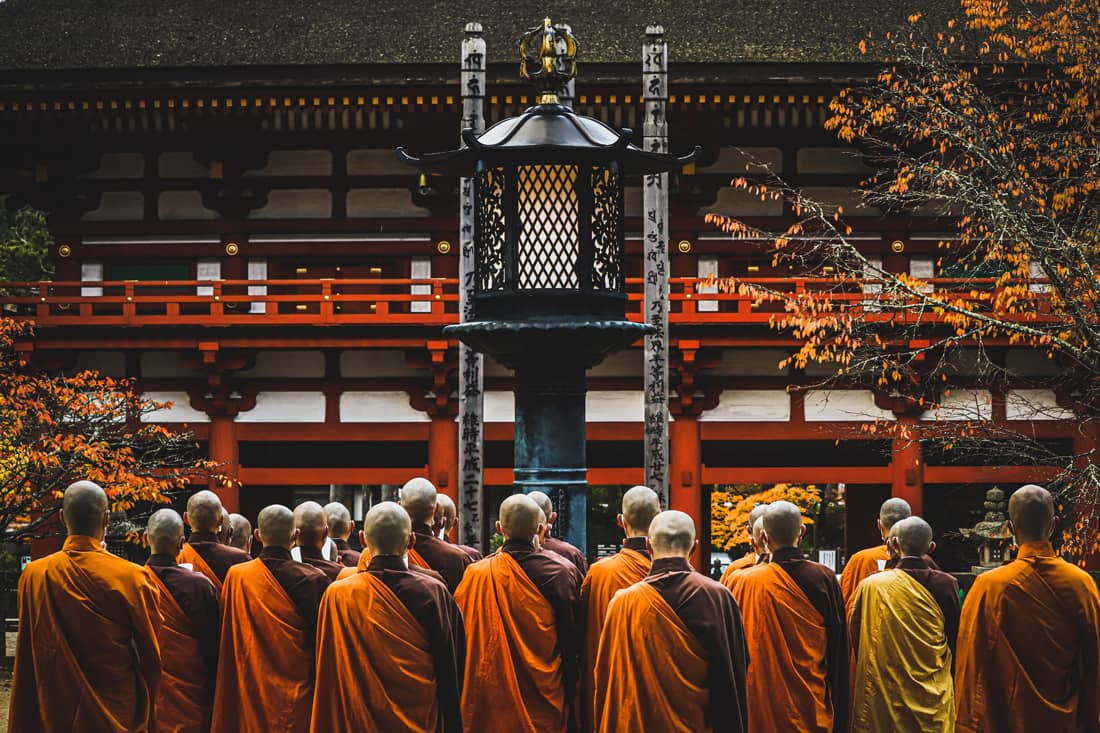
Photo Credit: Wakayama Tourism Federation
Temples are Buddhist worship sites, shrines are Shinto. If you see a torii gate, it’s a shrine; if you see a sanmon gate or Buddha statues, it’s a temple. Kongobu-ji, Okunoin, Konpon Daito, and Kondo on Mount Koya are all Shingon Buddhist temples. Although there are a few shrine-like structures (miyashiro) at Danjo Garan, the main spots for visitors are all temples.
Offering Coins and Worship Etiquette
An offering (osaisen) is when you place coins or bills into the offering box to honor the Buddha. Many people use a five-yen coin as a pun on “good fortune” (go-en), but the amount is up to you. Gently drop the coin—do not throw it. The typical procedure at a Buddhist temple is: bow once → make your offering → ring the gong or bell (such as the waniguchi, a disc-shaped gong hanging under the eaves) → put your hands together and pray → bow once again before departing. Beyond the Gobyobashi bridge into the inner sanctuary, maintain strict silence.
Know Where Photography Is Prohibited
Several areas on Mount Koya prohibit photography, including:
- From Gobyobashi bridge through Tōrōdō to the mausoleum at Okunoin (entire area)
- Inside the main hall and annexes of Kongobu-ji
- Inside Konpon Daito and Kondo
Elsewhere, follow posted rules. Additionally, throughout the temple grounds you must remove hats, set smartphones to silent mode, refrain from eating or bringing pets, and remove shoes before entering halls. Stow your camera and experience this sacred site with your eyes, ears, and skin.
Clothing and What to Bring
Wear comfortable, easy-to-remove walking shoes, as the paths are paved with stones and gravel. Dress modestly, avoiding revealing clothing out of respect for the sacred setting. Mount Koya sits at about 850 meters, so temperatures are 5–10°C cooler than the lowlands—bring a light jacket even in summer. Choose a hat that’s easy to remove, since you’ll need to take it off inside the halls.
Model Itinerary: Morning to Afternoon—A Full Day on Mount Koya
Depart &Here OSAKA NAMBA around 7:00 AM and spend the morning through afternoon exploring Mount Koya. Reserve meals and cultural experiences in advance.
7:00 AM Breakfast Near the Hotel
Nankai Parlor, directly connected to Nankai Namba Station, serves breakfast on weekdays from 7:00 AM. Café Break in Namba Walk opens at 7:30 AM and is also recommended. Both are station-connected, so you can head straight to the gates after breakfast. Leave your table at least 30 minutes before train departure.
10:30 AM Okunoin—Walk the Official Route from Ichinohashi to Gobyobashi
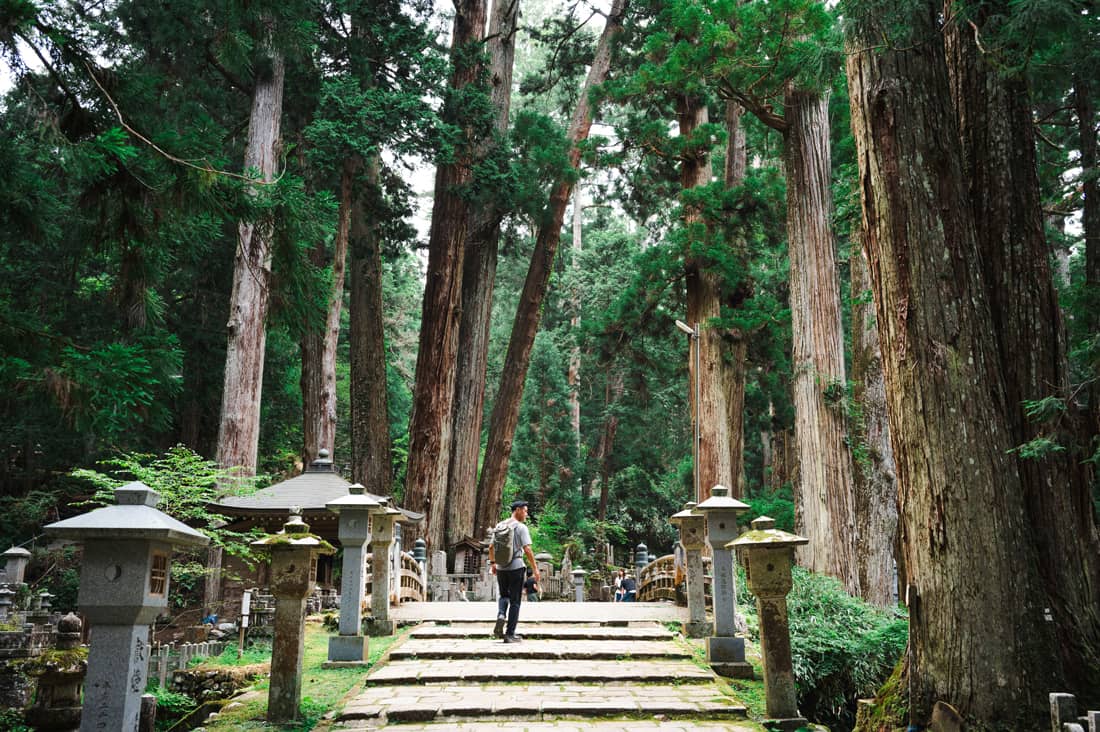
Photo Credit: Wakayama Tourism Federation
After arriving at Mount Koya by train and cable car, take the bus to Okunoin-guchi. Begin at Ichinohashi for the formal pilgrimage route. The one-way distance from Ichinohashi to Gobyobashi is about 2 km; a round trip takes about 1.5–2 hours. The approach is lined with centuries-old cedar trees and countless tombstones and memorial towers—a breathtaking sight. Before crossing Gobyobashi, bow once; beyond the bridge is sacred ground where photography is forbidden and silence and removal of hats are required. At the Tōrōdō, sutra-chanting ceremonies are held several times daily (9:00, 10:20, 11:30, 12:40, 13:40, 14:40); join if your timing aligns.
12:30 PM Shojin Ryori Lunch—Taste Buddhist Culinary Tradition at Hanabishi or Café Seikeiin
Shojin ryori is Buddhist cuisine made without any animal products, using only seasonal vegetables, tofu, and grains. It also avoids pungent ingredients like garlic and leeks (the “five pungent roots”), differentiating it from typical vegetarian fare.
Hanabishi, near Senjuinbashi bus stop, is a long-established shojin ryori restaurant known for its homemade sesame tofu and vegetable tempura. Prices start at ¥2,860; reservations recommended. Alternatively, Seikeiin Temple Café—associated with Takeda Shingen—offers a nine-item shojin set at reasonable prices. Seats along the veranda overlooking the garden are especially popular. Open 10:30–14:00 (last order 13:30), with limited servings; reservations ensure availability.
2:00 PM A-jikan Meditation or Sutra Copying—Experience Esoteric Buddhist Practices<
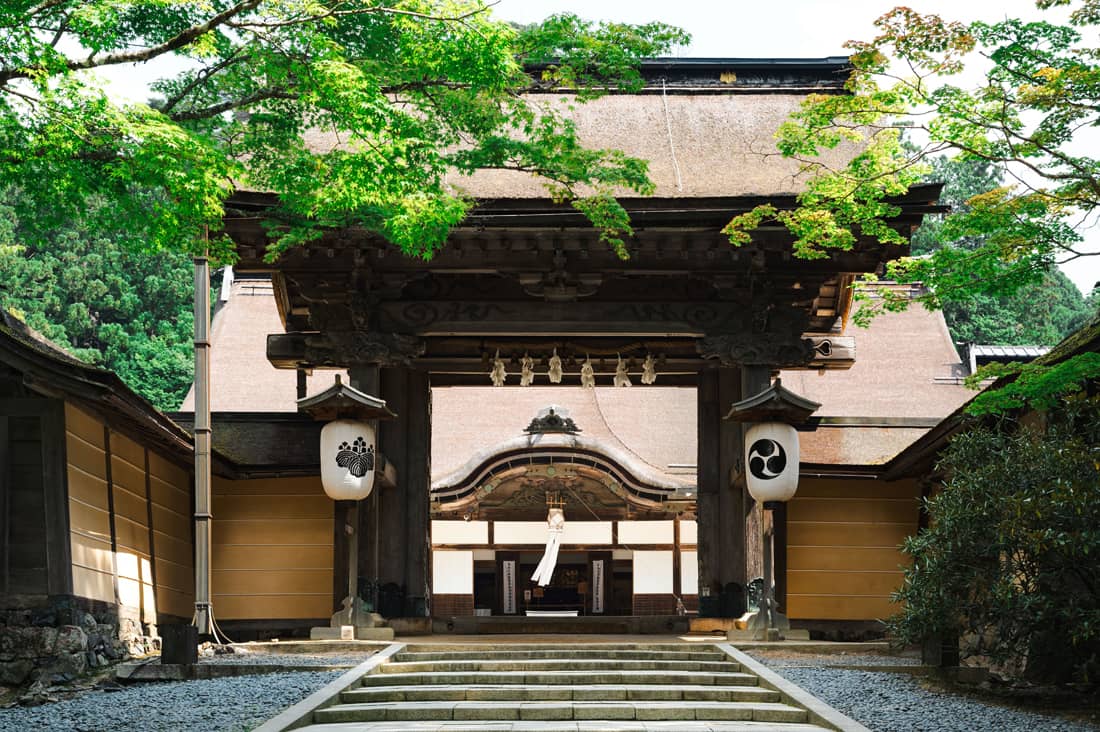
Photo Credit: Wakayama Tourism Federation
At the A-jikan dojo in Kongobu-ji, you can practice “A-jikan,” a Shingon meditation combining breathing techniques and visualization. You focus on the Sanskrit letter “A” to concentrate the mind. No verbal instruction is required, making it popular with international participants. Sessions run April through November; reserve via morekoyasan.com. Duration is about 1–1.5 hours; fee is around ¥1,000. If your schedule doesn’t align, you can also try a sutra-copying experience.
“Walk (Okunoin) · Eat (shojin ryori) · Feel (A-jikan or sutra copying)”—these three elements transform a day on Mount Koya into more than just sightseeing.
3:30 PM Kongobu-ji and Konpon Daito—Feel the Esoteric Cosmology of Shingon Buddhism
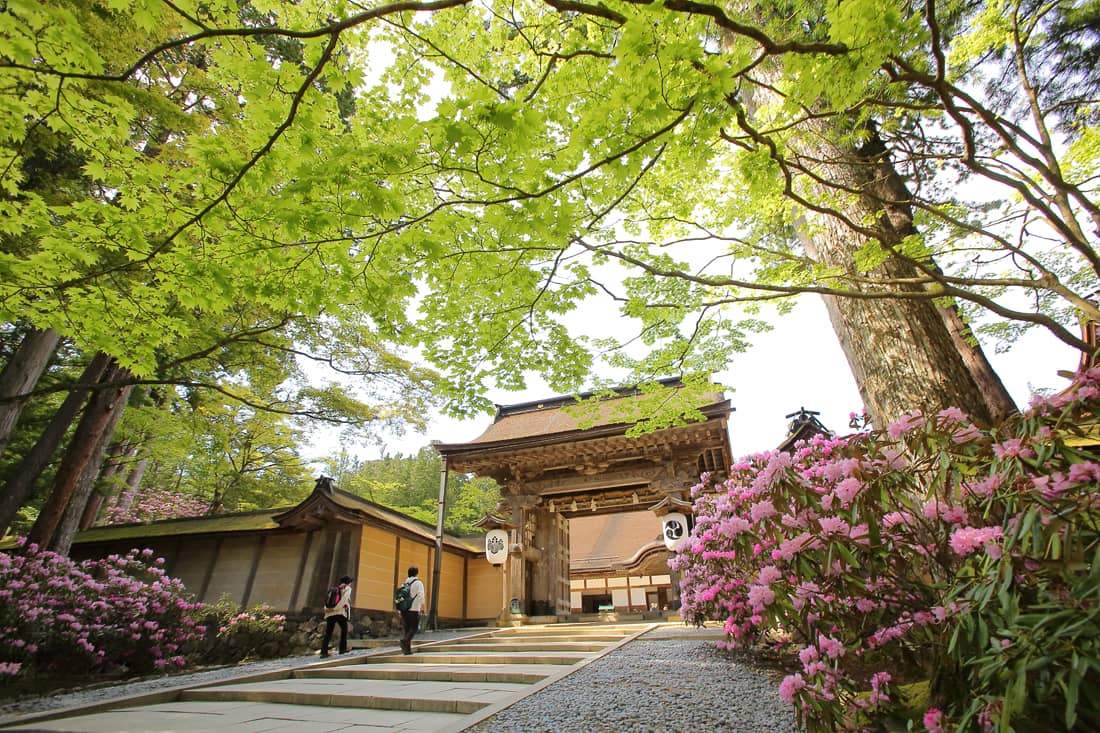
Photo Credit: Wakayama Tourism Federation
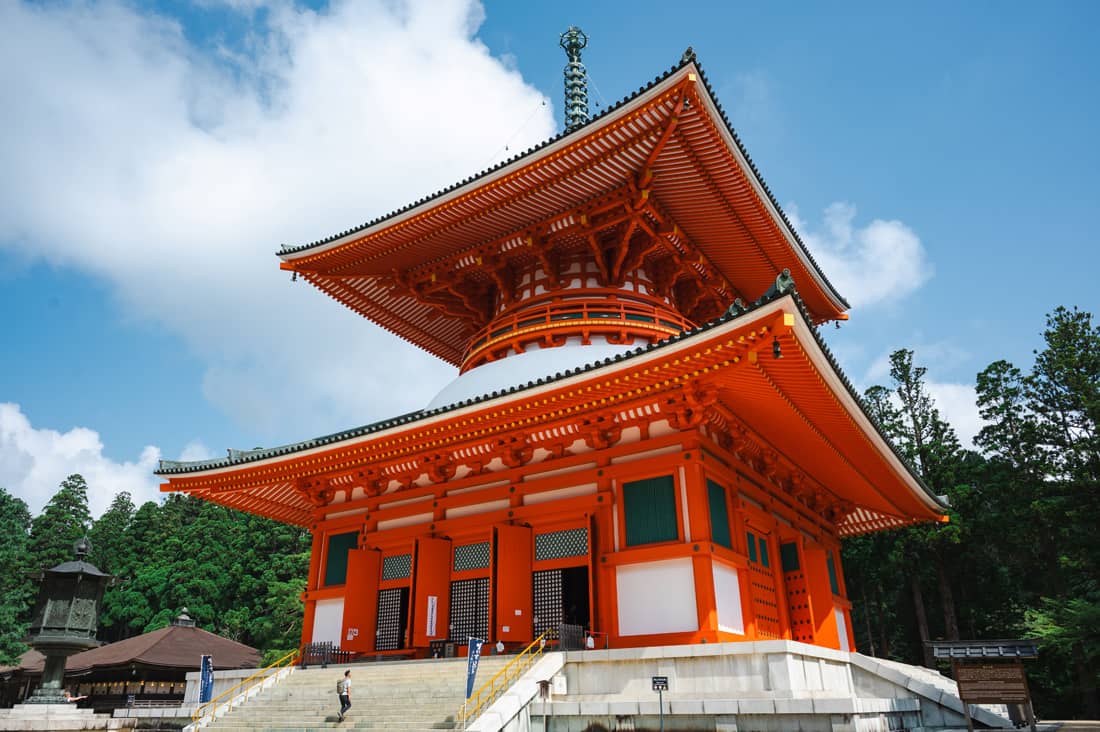
Photo Credit: Wakayama Tourism Federation
Kongobu-ji, the head temple of Koyasan Shingon Buddhism, features one of Japan’s largest rock gardens, the Banryutei (“Coiling Dragon Garden”). Photography is prohibited inside the buildings, but the garden may be photographed. Admission is ¥1,000 (discounted with the World Heritage Digital Ticket).
A few minutes’ walk away at Danjo Garan stands the Konpon Daito, a 48.5-meter-tall vermilion pagoda. Inside, statues surround the central Dainichi Nyorai to form a three-dimensional mandala, embodying the esoteric Buddhist cosmos in three dimensions. Admission is ¥500 (discounted with the same ticket). Plan 1–1.5 hours for both sites. Afterward, catch a bus back to Koyasan Station around 4:30–5:00 PM to arrive at Namba Station around 8:00–8:30 PM.
Return to Namba to Enjoy Osaka’s Nightlife and &Here OSAKA NAMBA
After arriving back at Namba Station, head to the bustling Dōtonbori district for a kushikatsu dinner. Dōtonbori is about a ten-minute walk from the hotel. The contrast between the mountain’s serenity and Osaka’s energy will enrich the memory of your trip.
Dinner in Dōtonbori—Osaka Soul Food Kushikatsu and Its Culture
Kushikatsu consists of bite-sized ingredients skewered on sticks, coated in a thin batter, and deep-fried—a dish born in Osaka. Diners dip skewers into communal sauce cans on the table; to maintain hygiene, the rule “no double-dipping” was born. In recent years, some restaurants have eliminated shared sauce cans due to COVID-19.
- Kushikatsu Daruma Dōtonbori: Founded in 1929, the original kushikatsu specialty. About a three-minute walk from Namba Station.
- Shinsekai Kushikatsu Ittoku Dōtonbori Main Branch: Over 50 types of kushikatsu. Along the Dōtonbori canal, about a four-minute walk from Namba Station.
- Kushikatsu to Kamameshi Gin’an Namba: Refined kushikatsu served with dashi broth. A calm atmosphere.
Shojin ryori at lunchtime and kushikatsu at night—the sacred and the secular, the mountains and the city—this contrast is the true appeal of a day trip to Mount Koya.
After Returning to the Hotel—Ideas for Enjoying Mount Koya Souvenirs
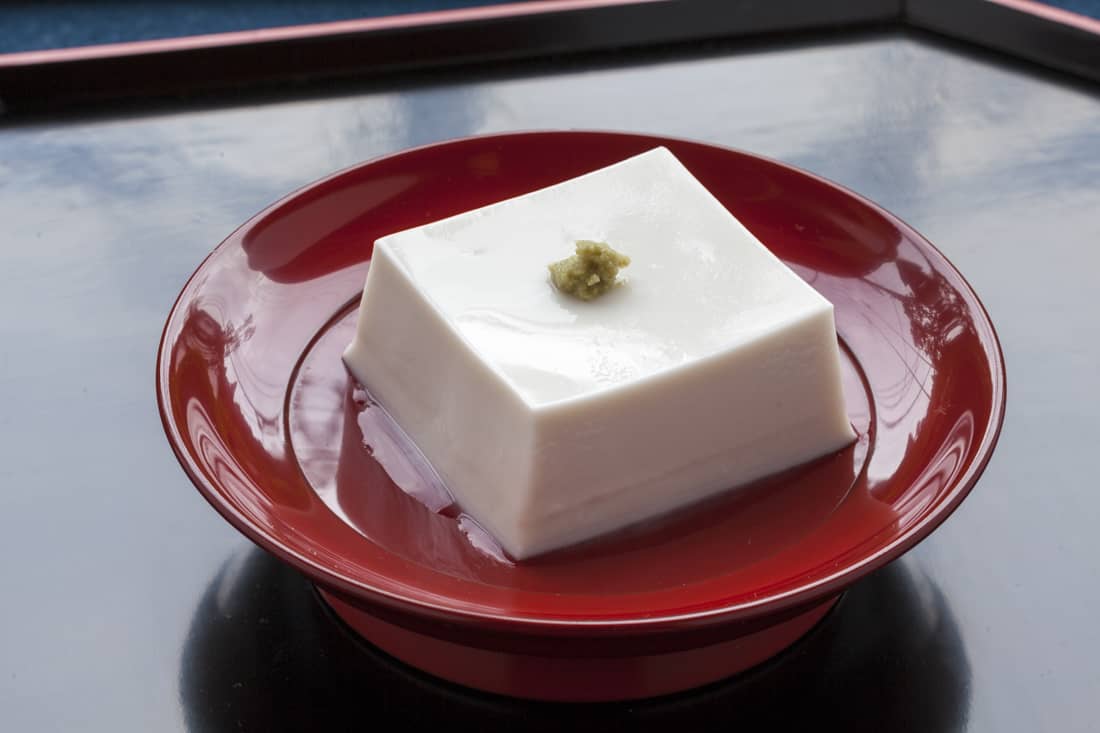
Photo Credit: Wakayama Tourism Federation
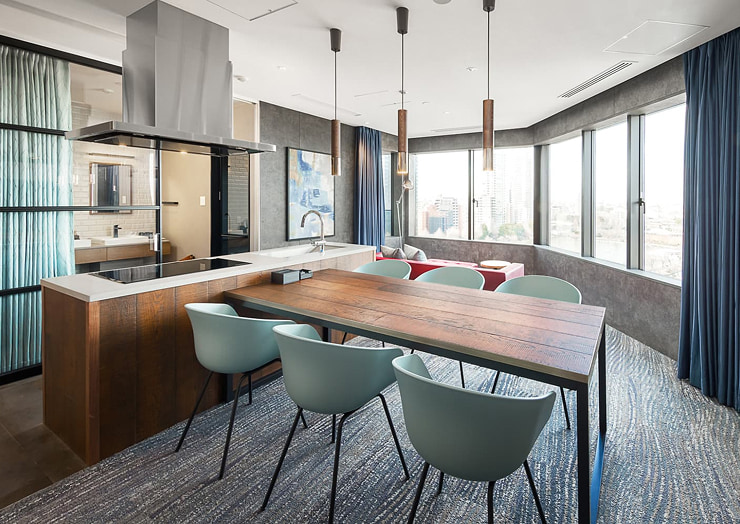
Mount Koya’s famous sesame tofu makes an ideal souvenir. Kakuhama Sesame Tofu Main Shop’s “Kaisō Sesame Tofu” comes in individual packs for easy transport. The family and deluxe rooms at &Here OSAKA NAMBA include a mini kitchen where you can chill and savor it in your room. Reflect on your day in a home-like space away from home—only at &Here.
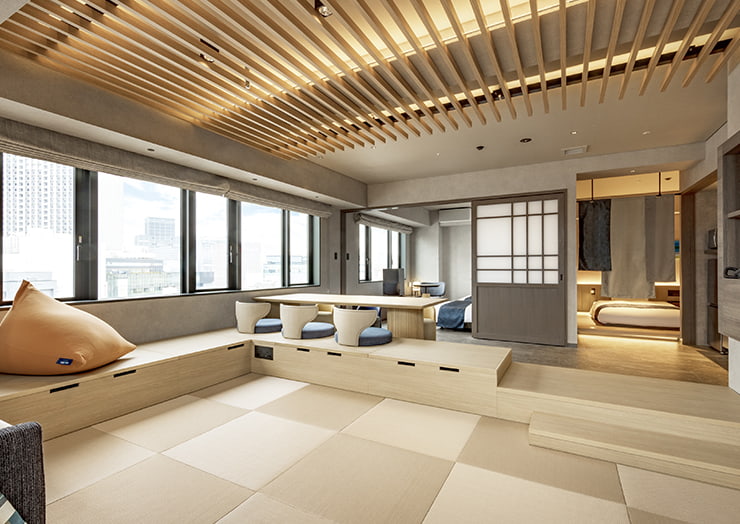
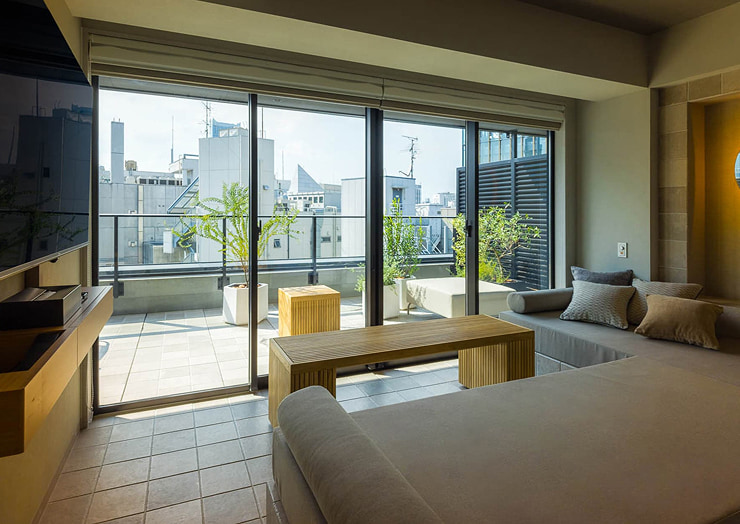
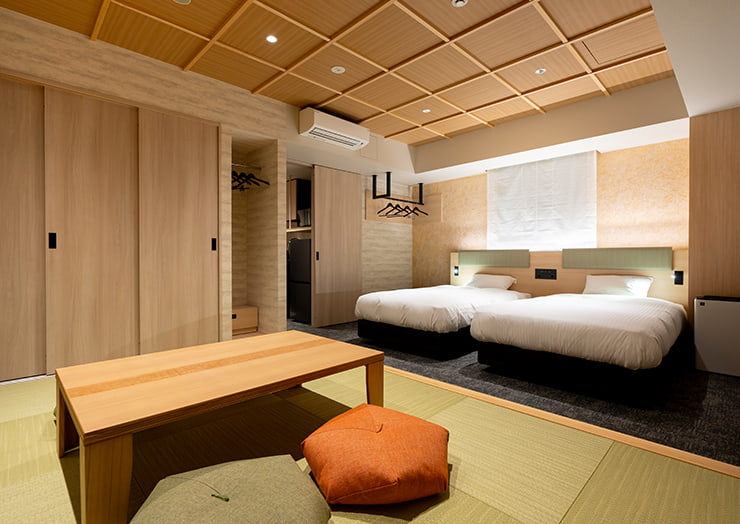
The hotel’s central location in Osaka Namba makes day trips to Nara, Kyoto, Himeji, and other Kansai destinations easy from the next day onward. The spacious rooms and kitchen facilities at &Here are perfect for an extended stay exploring the region.
Mount Koya is a World Heritage site where 1,200 years of faith live on, and where once-warring generals now rest side by side—truly a symbol of Japanese spirituality. Based at &Here OSAKA NAMBA, a roughly two-hour journey on the Nankai Electric Railway brings you to a fulfilling day trip built on “walk, eat, and feel.” Experience it for yourself.